Lawn care services are hired to keep outdoor spaces healthy, attractive, and orderly, yet their work can unintentionally create a new set of cleaning problems inside the home. Mowing, edging, blowing, and fertilizing all disturb soil, grass, and debris that doesn’t simply disappear when the crew leaves. Instead, much of it settles on walkways, patios, and entry points, waiting to be tracked indoors. While homeowners often associate indoor dirt with weather or foot traffic, routine lawn maintenance can be a surprisingly consistent source of interior mess, especially when services are frequent or aggressively scheduled.
Grass Clippings, Dust, and Fine Debris
One of the most common issues lawn care creates is the spread of fine organic debris. Grass clippings chopped into tiny fragments during mowing are easily carried by wind or blowers toward doors and windows. Even when yards look tidy, microscopic particles linger on hard surfaces and mats. Once stepped on, these particles embed into carpets, settle into grout, and cling to baseboards. Cleaning professionals like the Freedom Cleaning Team often notice an uptick in floor residue immediately following lawn service days, particularly in homes where entryways are close to turf or where blowers are used without careful directional control.
Blowers: Efficient Outdoors, Messy Indoors
Leaf blowers are designed for speed, not precision. While they quickly clear lawns and beds, they often push debris onto driveways, sidewalks, and porches rather than fully removing it. This debris may look harmless outdoors, but it becomes a problem once shoes carry it inside. Fine dust stirred up by blowers can also enter through open doors, windows, or ventilation points, settling invisibly on interior surfaces. Homeowners may not connect a sudden increase in dusting needs with lawn care activity, but cleaners frequently see the correlation, especially after dry-weather service visits.
Moisture and Overwatering Side Effects
Lawn care doesn’t just move dirt—it often introduces moisture. Overwatering, recent irrigation adjustments, or fertilization treatments can leave lawns damp long after service is complete. Damp grass and soil stick more readily to footwear, increasing the amount of mud and residue tracked indoors. This moisture-dirt combination is particularly damaging to flooring, leading to stains, odors, and accelerated wear. Cleaning becomes more labor-intensive as floors require scrubbing rather than simple sweeping or vacuuming. What starts as lawn “care” inadvertently shifts the cleaning burden indoors.
Timing Conflicts with Cleaning Schedules
Another overlooked issue is poor coordination between lawn care and cleaning schedules. When lawn service occurs just before or on the same day as interior cleaning, freshly cleaned floors are immediately compromised. Debris tracked in after cleaning negates the effort and creates frustration for homeowners who feel their cleaning “didn’t last.” Without intentional scheduling gaps, lawn maintenance can repeatedly undo interior cleaning work, making it seem like the home is harder to keep clean than it actually is.
The Cumulative Effect Over Time
Individually, these issues may seem minor, but over time they compound. Repeated tracking of fine debris scratches floors, dulls finishes, and embeds allergens into soft surfaces. Increased moisture contributes to mold-prone areas and lingering odors. Cleaning costs rise as deeper, more frequent cleanings become necessary. Importantly, none of this stems from neglect—only from unintended side effects of routine lawn care.
Reducing the Cleaning Fallout
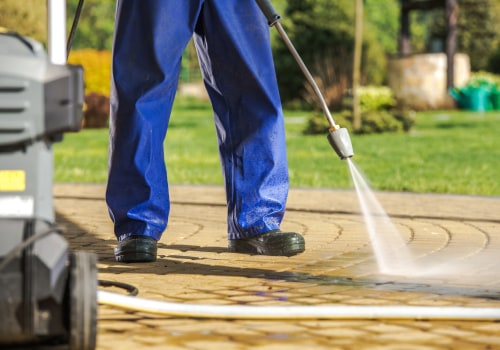
Awareness is the first step toward balance. Adjusting blower direction, cleaning hard surfaces after lawn service, managing irrigation timing, and coordinating schedules can significantly reduce indoor impact. Lawn care and cleaning are interconnected systems, not isolated services. When both are aligned, outdoor beauty no longer comes at the expense of indoor cleanliness, and homes stay cleaner with far less effort overall.