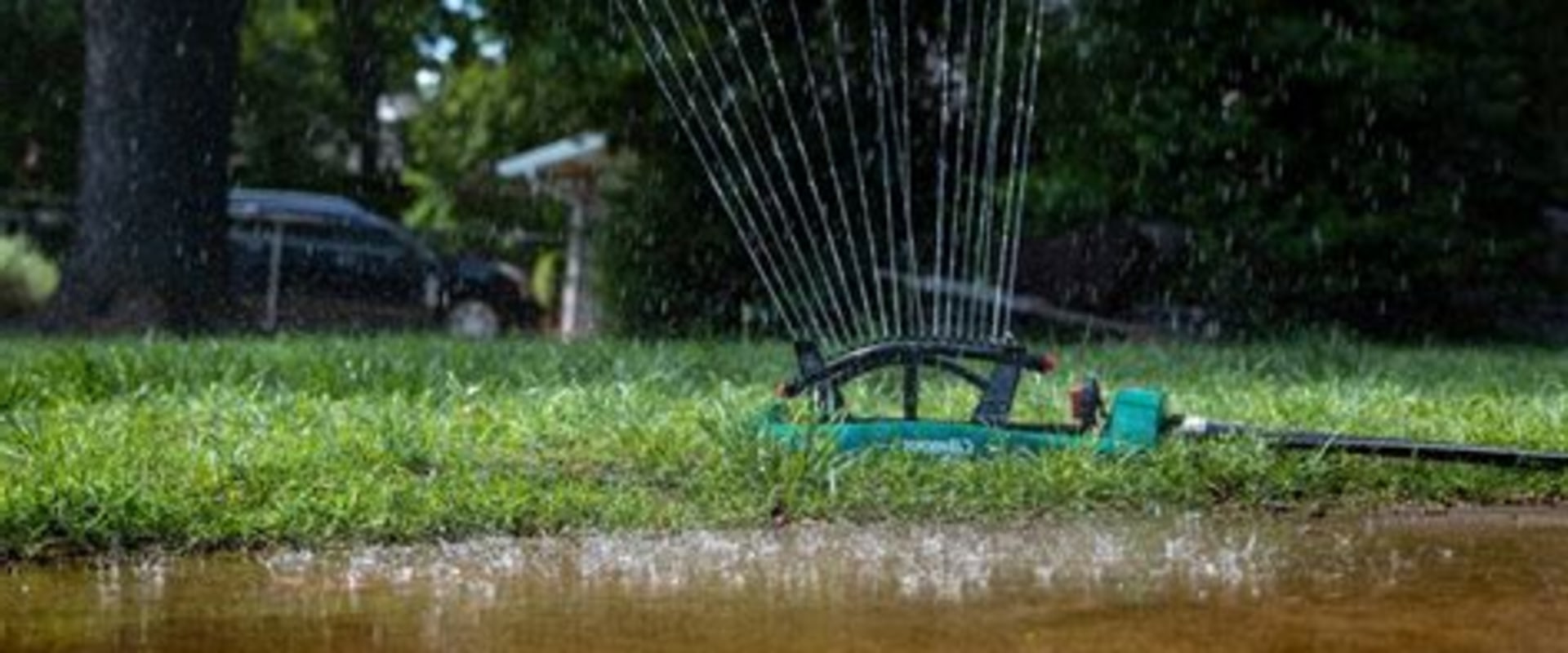
Managing water flow is a fundamental aspect of effective lawn care services, as it directly influences the health, appearance, and longevity of your yard. Water that is not properly directed can lead to uneven growth, soil erosion, and persistent pooling in certain areas. Lawn care professionals understand that every yard has unique characteristics, including slope, soil type, and drainage patterns, all of which affect how water moves across the landscape. By evaluating these factors, they can develop tailored strategies that promote balanced water distribution, ensuring that grass and plants receive adequate moisture without becoming oversaturated.
Designing a Lawn for Efficient Drainage
One of the primary strategies for managing water flow is designing the lawn to support efficient drainage. This often involves grading the yard to create gentle slopes that guide water away from the home and toward designated drainage areas. Incorporating features such as swales, dry creek beds, or permeable pathways can further enhance water movement and reduce runoff. Lawn care services may also recommend soil amendments to improve drainage, especially in areas with heavy clay or compacted soil. These adjustments help prevent water from stagnating on the surface while allowing it to penetrate the ground where it can benefit plant roots.
Irrigation Systems and Water Balance
Irrigation plays a crucial role in maintaining proper water flow and balance within a lawn. Well-designed sprinkler systems ensure that water is distributed evenly, preventing dry spots and overwatered zones. Lawn care professionals often use zoned irrigation systems that allow different areas of the yard to receive varying amounts of water based on their specific needs. This approach not only supports healthier plant growth but also conserves water by avoiding unnecessary usage. In some cases, homeowners experiencing issues like low water pressure in Dallas may need to address underlying plumbing or system design concerns to ensure their irrigation system functions effectively.
Preventative Maintenance and Monitoring
Ongoing maintenance is essential for keeping water flow under control and preventing issues from developing over time. Regularly clearing debris from drainage areas, aerating the soil, and adjusting irrigation schedules based on seasonal changes all contribute to a well-managed lawn. Lawn care services also monitor for signs of poor drainage, such as standing water, thinning grass, or erosion, and address these problems promptly. By staying proactive, homeowners can avoid more significant challenges and maintain a consistent, healthy landscape throughout the year.
Long-Term Benefits of Proper Water Management
Implementing effective water flow strategies offers numerous long-term benefits for homeowners. A well-managed lawn is more resilient to weather changes, requires less maintenance, and maintains its visual appeal over time. Proper water distribution also reduces the risk of damage to surrounding structures, such as foundations and walkways, by preventing excess moisture from accumulating in critical areas. By combining thoughtful design, efficient irrigation, and regular maintenance, lawn care services create outdoor spaces that are both functional and aesthetically pleasing. Ultimately, managing water flow is a key component of successful lawn care, ensuring that your yard remains healthy, sustainable, and enjoyable for years to come.