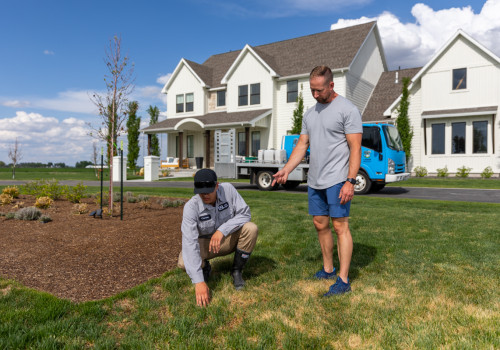
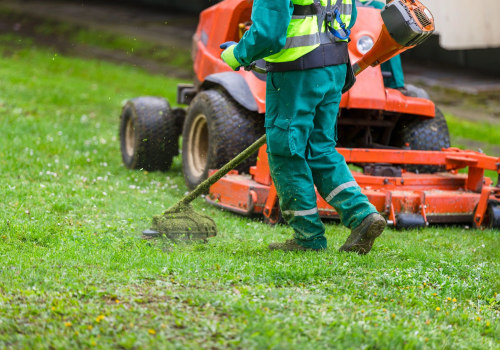
A year-round lawn care services planning guide begins with understanding that healthy turf requires consistent attention throughout every season. Rather than treating lawn maintenance as a one-time spring project, homeowners benefit most from a structured plan that adapts to changing weather conditions. Each season presents unique challenges, from winter dormancy to summer heat stress. Developing a proactive schedule ensures that fertilization, mowing, aeration, and pest control efforts align with the natural growth cycles of grass. With thoughtful planning, lawns can remain vibrant and resilient regardless of temperature fluctuations or rainfall patterns.
Spring Preparation and Growth Support
Spring marks the beginning of active growth for most grass types, making it an essential time for foundational care. Early-season tasks include dethatching to remove accumulated debris and aerating compacted soil to improve oxygen flow to roots. Applying a balanced fertilizer jumpstarts growth while pre-emergent weed control helps prevent invasive species from taking hold. Regular mowing should begin once the grass reaches an appropriate height, ensuring blades remain sharp to prevent tearing. If winter damage has left bare patches, overseeding can restore uniform coverage. Establishing these practices early in the year sets the stage for a strong and healthy lawn moving forward.
Summer Maintenance and Stress Management
Summer introduces heat, drought, and increased foot traffic, all of which can stress turf. Proper irrigation becomes critical during this period, with deep but infrequent watering encouraging strong root development. Mowing heights should be adjusted slightly higher to provide shade to the soil and retain moisture. Monitoring for pests such as grubs or chinch bugs is equally important, as infestations can rapidly damage large sections of grass. Lawn care professionals may also evaluate surrounding trees, as excessive shade or root competition can affect turf health. In cases where large trees impact lawn performance, consulting professionals who are experts in removing trees may help restore balance and improve sunlight exposure.
Fall Restoration and Winter Preparation
Fall is often considered the most beneficial season for lawn rejuvenation. Cooler temperatures and increased rainfall create optimal conditions for root development. Aeration and overseeding during this time strengthen turf density and prepare it for winter dormancy. Fertilizers rich in potassium support root resilience and improve cold tolerance. Clearing fallen leaves promptly prevents mold growth and suffocation of grass beneath heavy debris. By addressing these tasks before winter arrives, homeowners protect their lawns from seasonal stress and promote a healthier spring resurgence.
Winter Monitoring and Planning Ahead
Although grass growth slows during winter, lawn care planning should not come to a halt. Avoiding excessive foot traffic on frozen or dormant turf helps prevent soil compaction and damage. Equipment maintenance, including sharpening mower blades and servicing irrigation systems, ensures readiness for the upcoming growing season. Winter is also an ideal time to evaluate overall landscape design and plan improvements that enhance lawn health.
Ultimately, a year-round lawn care services planning guide emphasizes consistency and adaptability. By tailoring maintenance efforts to each season—supporting spring growth, managing summer stress, restoring fall vitality, and preparing during winter—homeowners create lawns that thrive throughout the year. Thoughtful planning not only improves curb appeal but also strengthens the long-term health and sustainability of outdoor spaces.