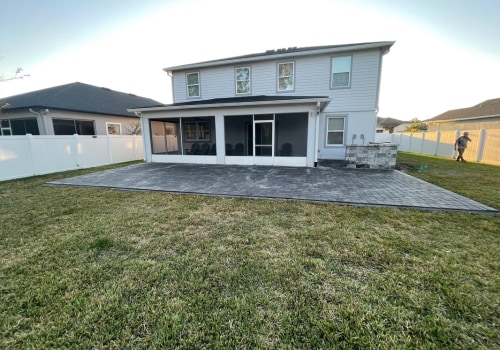
When scheduling concrete contractor work, homeowners often focus on the finished structures—such as patios, walkways, or driveways—without fully considering how these projects affect lawn care. Concrete construction involves heavy equipment, increased foot traffic, and the movement of materials, all of which can place stress on grass and soil. Without proper planning, lawns may experience compaction, damage, or discoloration. Understanding these potential impacts allows homeowners to take proactive steps to maintain their outdoor spaces while still completing necessary upgrades.
Preparing Your Lawn Before Construction Begins
Preparation is one of the most important aspects of protecting your lawn during concrete work. Before contractors arrive, it’s essential to clear the area of outdoor furniture, decorative items, and any obstacles that could interfere with the project. Marking sprinkler systems, irrigation lines, and underground utilities helps prevent accidental damage. Trimming grass and edging nearby areas can also create a cleaner and more organized workspace. Communicating your lawn care concerns with professionals like Concrete Revival Spokane ensures that contractors are aware of sensitive areas and can adjust their approach accordingly.
Protecting Grass and Landscaping During the Project
During the construction phase, taking steps to protect your lawn can significantly reduce damage. Contractors may use plywood sheets, protective mats, or designated pathways to distribute the weight of heavy equipment and minimize soil compaction. Keeping machinery confined to specific zones helps preserve surrounding grass and landscaping. It’s also important to monitor for concrete spills or runoff, as these can harm vegetation if not addressed quickly. Regularly checking the site and maintaining open communication with contractors helps ensure that your lawn remains in the best possible condition throughout the project.
Managing Lawn Care During Construction
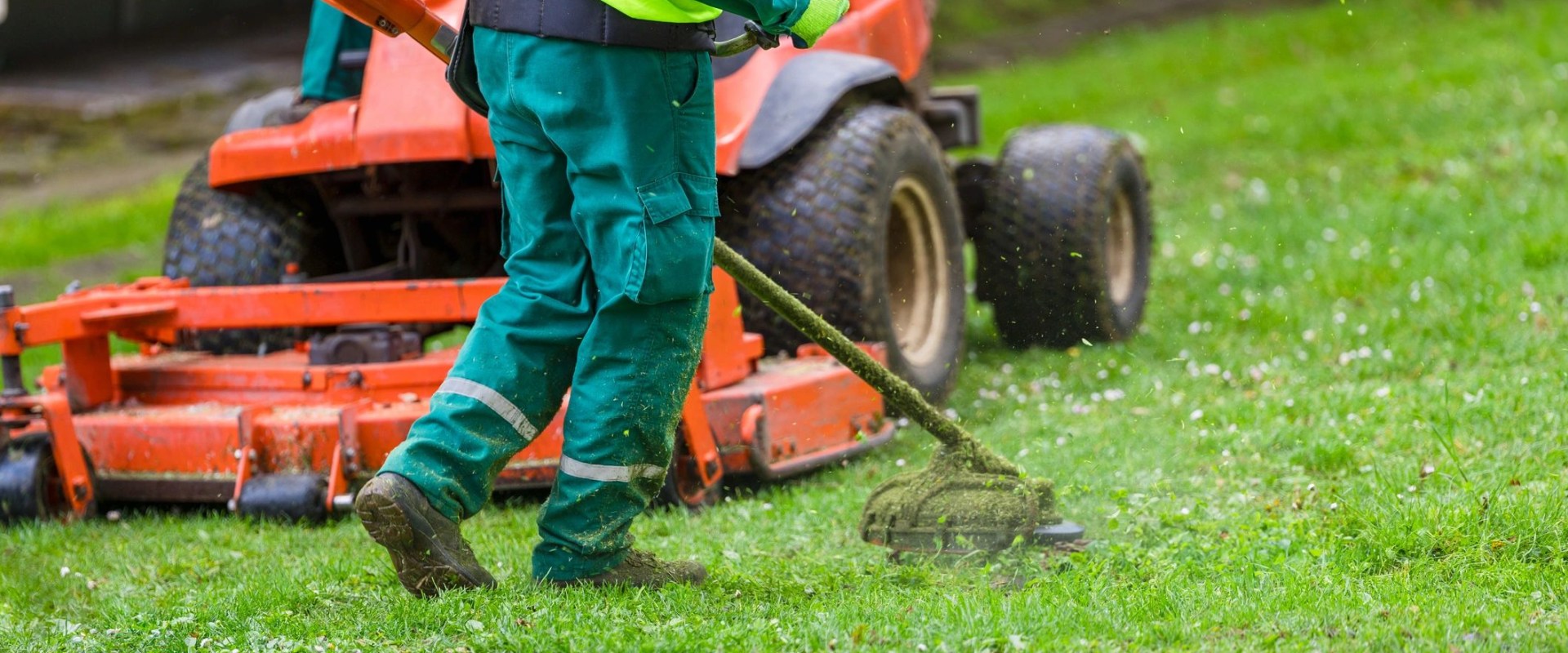
Maintaining your lawn during concrete work requires a flexible approach. Regular watering schedules may need to be adjusted to accommodate construction activities, and mowing may be limited in areas where work is ongoing. Keeping the lawn tidy around the construction zone can help prevent debris from spreading and reduce the risk of additional damage. In some cases, temporary barriers or fencing can be used to separate work areas from healthy sections of the lawn. These strategies help maintain a balance between ongoing lawn care and construction progress.
Post-Construction Recovery and Long-Term Benefits
After the concrete project is complete, your lawn may require some restoration to return to its original condition. Aerating compacted soil, reseeding damaged areas, and applying fertilizer can help promote healthy regrowth. Removing debris and ensuring that irrigation systems are functioning properly are also important steps in the recovery process. With proper care, your lawn can quickly recover and complement the newly installed concrete features. Taking the time to plan, protect, and restore your lawn during concrete contractor work not only preserves its health but also enhances the overall appearance and value of your property.