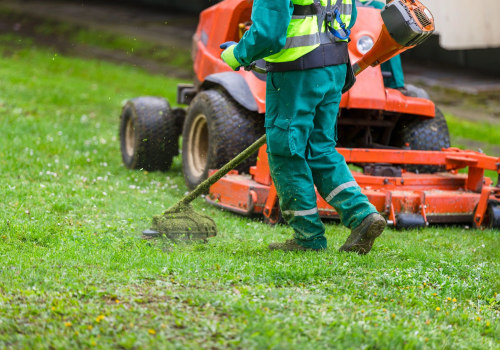
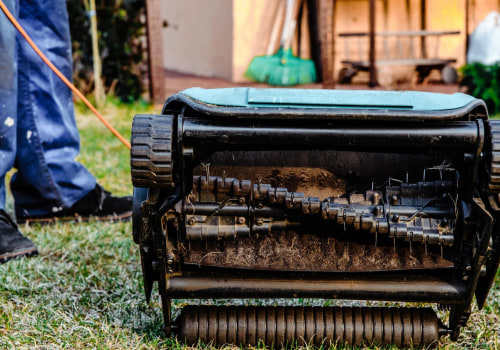
Lawn care services are commonly associated with creating lush, green landscapes that improve a property's appearance and provide enjoyable outdoor spaces. Regular mowing, fertilization, weed control, aeration, and irrigation all contribute to a healthier lawn that enhances curb appeal and property value. However, a well-maintained lawn offers benefits that extend beyond aesthetics. The condition of turf and surrounding landscaping can influence drainage, soil stability, erosion control, and moisture management, all of which play an important role in protecting nearby structures. When lawn care is approached as part of a comprehensive property maintenance strategy, it can help preserve the long-term performance of foundations, walkways, patios, and other structural elements that depend on stable ground conditions.
Lawn Health Reflects Underlying Site Conditions
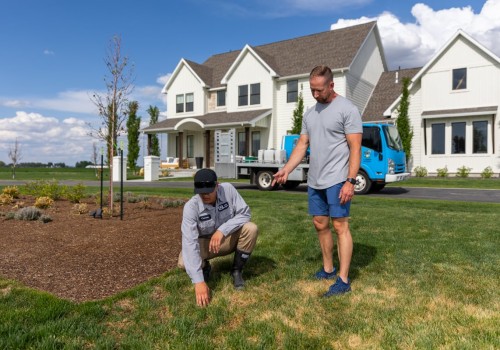
The appearance of a lawn often provides valuable clues about what is happening beneath the surface. Areas of standing water, uneven turf growth, persistent soggy spots, or excessive soil erosion may indicate grading or drainage issues that could eventually affect nearby buildings. Likewise, dry patches caused by poor irrigation coverage may contribute to inconsistent soil moisture levels, particularly around foundations. Fluctuating soil conditions can increase the risk of movement in certain soil types, leading to settlement or structural stress over time. Lawn care professionals who recognize these warning signs can alert property owners to developing site issues before they become more serious, allowing corrective measures to be taken while problems are still manageable.
Proper Water Management Protects Foundations
One of the most significant ways lawn care services contribute to structural integrity is through effective water management. Irrigation systems should provide enough moisture to support healthy turf without oversaturating the soil surrounding the home. Excessive watering can weaken supporting soils, promote erosion, or allow water to accumulate near foundation walls, while insufficient watering may contribute to shrinking soils in regions where expansive clay is present. Maintaining balanced irrigation, healthy vegetation, and proper grading helps regulate moisture levels across the property and encourages water to move away from buildings rather than pooling around structural components. Companies such as Open Concept recognize the importance of coordinating landscape improvements with broader property planning to promote both attractive outdoor spaces and long-term structural performance.
Preventing Erosion and Surface Movement
Healthy grass plays an important role in stabilizing soil because its root system helps hold the ground together during rainfall and everyday environmental exposure. Dense turf reduces the likelihood of surface erosion, especially on sloped properties where runoff can gradually wash away valuable topsoil. Without sufficient ground cover, erosion may expose roots, undermine sidewalks, destabilize retaining walls, or affect the soil supporting nearby foundations. Routine lawn care encourages vigorous root development, improving the landscape's ability to resist erosion while maintaining more consistent site conditions. Combined with proper grading and drainage practices, healthy lawns contribute to a more stable environment for surrounding structures.
Long-Term Property Maintenance Begins Outdoors
Structural integrity is influenced by more than the materials used to build a home. Ongoing property maintenance, including lawn care, helps preserve the environmental conditions that support long-lasting structural performance. Keeping vegetation healthy, monitoring drainage patterns, maintaining irrigation systems, and addressing landscape issues early all reduce the likelihood of moisture-related damage that can affect foundations and hardscape features. Lawn care also creates opportunities to identify developing concerns such as soil settlement, exposed roots, drainage failures, or deteriorating outdoor surfaces before they require extensive repairs. These routine observations provide valuable insight into the overall condition of the property.
A Complete Approach to Property Care
The connection between lawn care services and structural integrity is often overlooked, yet it plays an important role in maintaining a safe and durable property. Healthy lawns help regulate water movement, reduce erosion, stabilize soil, and support the conditions necessary for strong foundations and long-lasting outdoor structures. By viewing lawn maintenance as part of a comprehensive property care plan rather than simply an aesthetic service, homeowners can better protect their investment while enhancing the beauty of their landscape. Consistent attention to turf health, drainage, and site conditions creates an environment where both landscaping and structural systems can perform reliably for many years, reducing maintenance costs and supporting the long-term value of the property.